

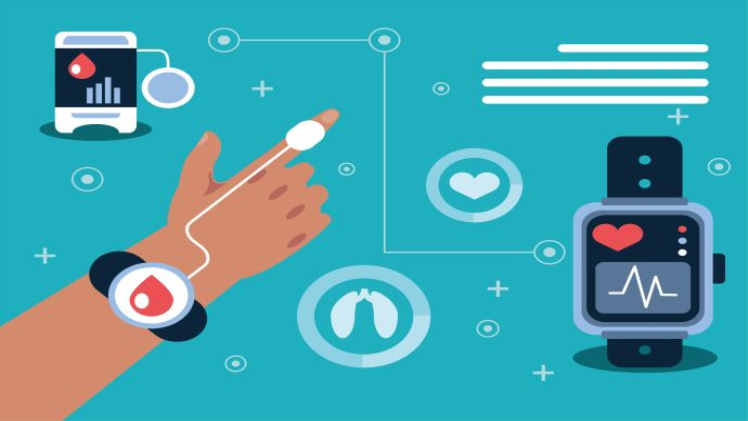
Artificial intelligence (AI) is revolutionizing rehabilitation practices in the rapidly evolving healthcare landscape. From smart devices to personalized therapy plans, AI is reshaping how individuals recover from injuries surgeries or manage chronic conditions. One innovative application of AI in this domain is the creation of chatbots designed to provide support, guidance, and even personalized therapy exercises.
Incorporating AI into rehabilitation is revolutionizing personalized therapy plans, making treatments more effective and tailored to individual needs. For comprehensive physical therapy options, physical therapy Idaho Falls ID offers state-of-the-art services to enhance recovery and overall well-being, complementing the advancements in smart rehabilitation devices.
Creating a Chatbot for Rehabilitation Support
Chatbots have emerged as powerful tools for providing on-demand support and information across various industries, and healthcare is no exception. In rehabilitation, chatbots can serve as virtual assistants, offering round-the-clock guidance and encouragement to individuals undergoing therapy.
These chatbots are programmed to interact with users conversationally, making the experience more engaging and personalized. They can provide information about specific exercises, track progress, offer reminders for medication or appointments, and even deliver motivational messages to keep users on track with their rehabilitation goals grindrprofiles.
Moreover, chatbots can adapt to individual needs and preferences, creating a chabot-tailored experience for each user. Chatbots can continuously refine their recommendations and provide personalized therapy plans by analyzing user input and data from wearable devices or sensors.
Group Health Insurance and AI-enabled rehabilitation
Integrating AI in rehabilitation also holds significant implications for group mediclaim policy providers. By leveraging AI-driven solutions, insurers can offer their members more effective and efficient rehabilitation programs, ultimately leading to improved outcomes and reduced healthcare costs.
Group health insurance plans can partner with AI developers to implement chatbot-based rehabilitation support as part of their coverage offerings. This proactive approach enhances the value proposition for members and promotes preventive healthcare practices, leading to fewer claims and lower overall expenses for insurers.
Additionally, AI-enabled rehabilitation can help insurers better understand their members’ unique needs and preferences. By analyzing data generated by chatbots and wearable devices, insurers can gain insights into trends, identify high-risk individuals, and tailor their wellness initiatives accordingly tvplutos.
The Future of AI in Rehabilitation
As AI technology continues to advance, the future of rehabilitation holds immense promise. Smart devices equipped with AI algorithms will become increasingly sophisticated, enabling real-time patient progress monitoring and adjustment of therapy plans as needed.
Furthermore, integrating AI into rehabilitation will extend beyond individual therapy sessions. Powered by AI, virtual reality (VR) simulations could recreate real-world scenarios to help patients practice daily activities in a controlled environment, enhancing their functional independence and confidence dreamchaserhub.
Conclusion
AI is reshaping the rehabilitation landscape by introducing smart devices, personalized therapy plans, and innovative solutions like chatbots. These advancements improve the effectiveness of rehabilitation and empower individuals to take control of their health and well-being. With the collaboration of insurers, healthcare providers, and AI developers, the future of rehabilitation looks brighter than ever, offering hope for better outcomes and quality of life for patients worldwide werdaan.
