

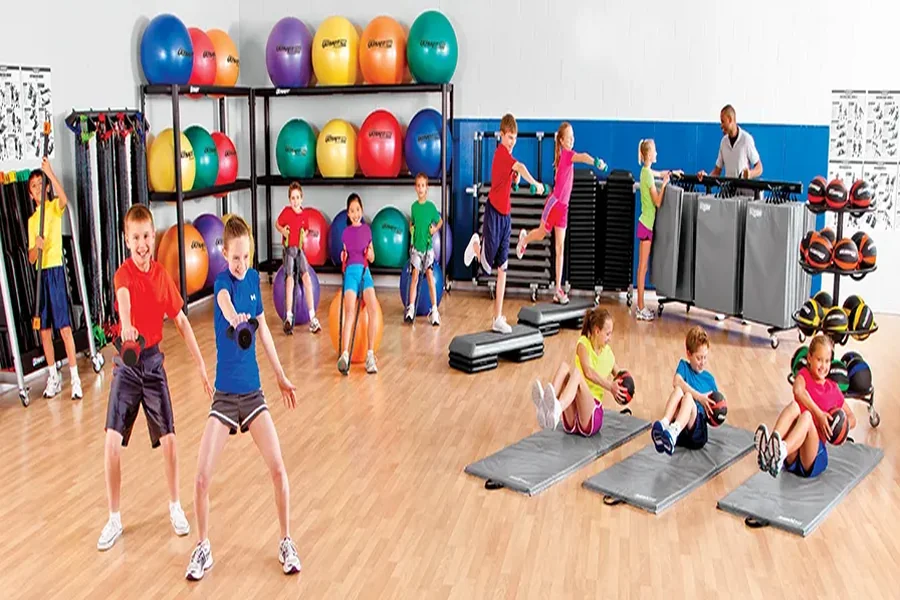
Daily movement supports physical strength, mental balance, and long-term wellness across all age groups. Simple actions such as stretching, light play, or guided activity help the body remain active and alert. Many people struggle to maintain regular motion due to routine pressure or limited motivation. Athletic accessories address this gap by adding structure and enjoyment to everyday activity. These tools transform basic movement into purposeful action. When movement feels engaging, it becomes easier to sustain. Encouraging regular activity through supportive accessories builds healthy habits without forcing strict routines.
Active Motivation
Motivation grows when movement feels enjoyable rather than demanding. Athletic accessories play a major role in shaping positive habits by adding interaction and measurable progress. In learning and group settings, the thoughtful use of school sports equipment supports engagement through variety and accessibility. Such tools encourage participation by offering visual cues and clear goals. Accessories designed for movement often spark curiosity and reduce hesitation. They create a welcoming space where activity feels achievable. Over time, consistent use supports confidence and builds a routine centered on regular motion.
Accessory Benefits
Athletic accessories support movement by offering guidance, structure, and feedback. These benefits help users stay consistent and focused during daily activities.
- Bright designs attract attention and inspire regular use during short activity sessions
• Lightweight materials allow easy handling without causing strain during repeated movements
• Clear markers help track progress and build awareness of daily motion patterns
• Adaptable tools suit different ability levels, supporting inclusive participation
• Simple storage options encourage frequent access and reduce setup barriers
Habit Formation
Building daily movement requires consistency supported by simple cues. Accessories act as reminders that prompt action without pressure. Visual presence encourages brief activity breaks throughout the day. Over time, repeated interaction builds familiarity and reduces resistance. Habit formation improves when actions feel manageable and rewarding. Athletic tools guide users toward achievable goals rather than overwhelming tasks. This steady approach supports a long-lasting commitment to active living.
Youth Engagement
Young participants respond positively to movement when it feels playful and structured. Accessories help guide attention and maintain focus.
- Colorful items increase interest and sustain attention during guided movement sessions
• Soft textures support safe handling while encouraging active participation
• Size-appropriate tools improve coordination and confidence during repeated practice
• Group-friendly accessories promote cooperation and shared movement goals
• Visual targets support skill development through clear direction and feedback
Everyday Accessibility
Movement should fit naturally into daily schedules without complex preparation. Athletic accessories support this by being easy to use and store. Compact designs allow quick access at home learning spaces or shared areas. Minimal setup encourages spontaneous activity throughout the day. These tools adapt to short sessions, which suit busy routines. Accessibility ensures movement remains a regular part of daily life rather than a planned event.
Design Influence
Thoughtful design plays a key role in encouraging consistent movement. Well-designed accessories remove friction and improve usability.
- Ergonomic shapes support natural grip and reduce fatigue during extended use
• Durable materials withstand frequent handling without losing effectiveness
• Balanced weight distribution improves control and movement accuracy
• Intuitive form guides proper usage without detailed instruction
• Appealing appearance increases willingness to engage repeatedly
Social Movement
Shared activity strengthens motivation and accountability. Athletic accessories support group interaction by providing common goals and structure. Cooperative movement builds connection and shared enjoyment. Accessories designed for group use encourage participation from all members. Social settings reduce self-consciousness and increase persistence. Over time, group movement fosters positive attitudes toward physical activity. These interactions strengthen both physical habits and social bonds.
Sustained Activity
Encouraging daily movement depends on tools that make action inviting and achievable. Athletic accessories support motivation, habit building, and accessibility across age groups. They transform simple actions into structured activity that fits everyday routines. Thoughtful design and inclusive use promote consistency without pressure. Integrating supportive tools such as school sports equipment into regular settings helps maintain active behavior over time. This approach creates a foundation for lasting movement habits that support overall well-being and steady physical engagement.
