

Pain management plays a critical role in healthcare since it significantly influences an individual’s quality of life. Despite modern medical advances providing numerous solutions to health issues, ancient practices such as Ayurveda and cupping treatment are gaining popularity. These approaches offer health solutions that are both natural and gentle while providing personalized care. The article provides an in-depth examination of a unique combination of ancient methods and their therapeutic principles while highlighting their revolutionary benefits for pain treatment.
Understanding Ayurveda: The Science of Life
Ayurveda is an ancient Indian system of medicine that has remained effective over the years due to its all-around way of promoting health. Ayurveda started more than 5,000 years ago. It is not just a way to treat illness; it is a way of thinking that focuses on balancing the body, mind, and spirit.
The three fundamental doshas in Ayurvedic philosophy include Vata, Pitta, and Kapha. The body functions both physically and mentally under the control of these biological forces. An imbalance in these doshas leads to health problems and generates pain. Ayurvedic pain management restores equilibrium by utilizing natural treatments which target patient-specific needs. These include:
Herbal Remedies: With strong anti-inflammatory and analgesic qualities, medicinal herbs such as turmeric, ashwagandha, ginger, and boswellia provide comfort without the negative effects of synthetic medications.
Panchakarma Therapy: A detoxification program that uses herbal steam baths, enemas, therapeutic massages, and nasal treatments to help rid the body of impurities.
Tailored Diets: Anti-inflammatory foods like ghee, leafy greens, and spices are included in diets tailored to a person’s dosha.
Yoga and Pranayama: Integrative techniques that reduce stress, increase circulation, and promote musculoskeletal flexibility.
Topical Applications: To lessen localized discomfort and increase mobility, massages use oils like Mahanarayan and Dashamoola.
Cupping Therapy: A Glimpse into Ancient Practices
Cupping therapy, an age-old technique also found in Ayurvedic medicine, has earned wide acceptance owing to its different healing properties. Cupping increases blood flow, eases tension, and quickens the healing process of the body by creating a vacuum inside the cup, an aspect that is beneficial for both physical and psychological disorders.
What is Cupping Therapy?
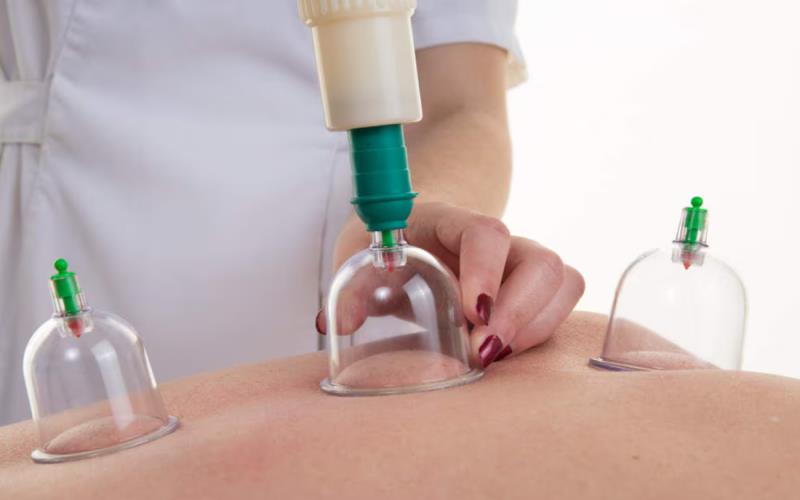
In Cupping therapy, cups are placed on the skin and air is evacuated from the cups, drawing the skin and the underlying tissues in the cups. The created vacuum enables healing by detoxifying, decreasing swelling, and promoting blood flow. Cupping is mainly used for pain management, reduction of muscle tightness, improvement of range of motion of joints and correcting body energy.
Cupping therapy is categorized into two primary types:
Dry Cupping: This approach makes use of vacuum cups on certain points in the body. It is able to relieve pain, reduce muscle strain, and increase blood flow without surgery.
Wet Cupping (Hijama): This is a practice of dry cupping followed by making small strokes on the surface of the skin and drawing out blood. Wet cupping treatment is useful in cleansing, purification of stagnant blood and easing coughs.
The Synergy of Ayurveda and Cupping Therapy
The integration of Ayurvedic practices with cupping therapy provides a holistic pain management approach that addresses the underlying causes of pain rather than masking its symptoms. The body’s detoxification process accelerates when Ayurveda’s Panchakarma detox methods work together with cupping therapy. This helps lessen inflammation and regular pain. The combination of cupping with Ayurvedic oil massages and herbal compresses improves blood and lymphatic circulation while enhancing nutrient delivery to tissues and maximizing the effectiveness of suction stimulation. Cupping treatment’s relaxation effects improve through Ayurvedic practices that include mindfulness, meditation and adaptogenic herbs such as ashwagandha and brahmi. Through targeted cupping treatments and personalized Ayurvedic prescriptions based on dosha imbalances practitioners create specialized healing programs which revolutionize traditional medical approaches.
Evidence in Favor of Cupping Therapy and Ayurveda
Scientific studies have progressively shown the effectiveness of Ayurveda and cupping therapy:
Ayurveda: Numerous studies highlight turmeric’s anti-inflammatory qualities, often comparing its efficacy to that of NSAIDs in the treatment of arthritis. Panchakarma treatments have also shown impressive results in the treatment of chronic illnesses and musculoskeletal ailments.
Cupping Therapy: Research shows that cupping may effectively relieve persistent back and neck discomfort. Additionally, studies show better muscle healing and microcirculation, especially in athletes and those with postural abnormalities.
By combining these techniques, a synergistic approach is produced that improves pain management, deals with the root causes of suffering, and promotes long-term health advantages.
Including Cupping and Ayurveda in Contemporary Healthcare
As the field of complementary and alternative medicine continues to gain popularity, there are several benefits to incorporating Ayurveda and cupping treatment into contemporary healthcare systems:
Minimal Side Effects: Ayurvedic and cupping treatments administered by professionals produce fewer negative side effects compared to several pharmaceutical options.
Improved Patient Empowerment: These treatments promote patient empowerment through active participation because they focus on prevention and patient involvement.
Support for Chronic diseases: These ancient treatments offer sustainable solutions for chronic illnesses which often show resistance to standard medications.
Economical Therapies: These treatments are more accessible since they often call for less resources than traditional medical procedures.
Final Thoughts
The combination of Ayurveda with cupping treatment represents a significant advancement in pain management. These techniques combine ancient knowledge with current therapeutic principles to provide a comprehensive, long-term, and extremely effective approach to pain relief. Beyond pain alleviation, this combo promotes better circulation, detoxification, stress reduction, and general health.
Scientific validation shows Ayurveda and cupping treatment as ready additions to modern healthcare systems which change chronic and acute pain treatment methods. These strategies deliver pain relief and enable people to rediscover their natural healing abilities. Those who desire a natural method for comprehensive and enduring wellbeing will find comfort and renewal with this fusion of traditional healing practices.
