

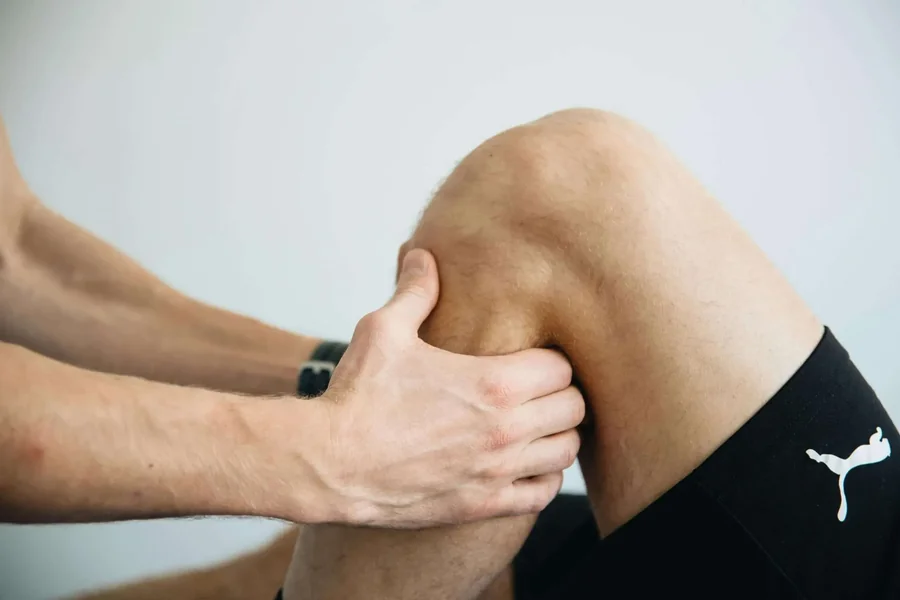
Running is one of the most liberating ways in order to stay fit, but for many, that runner’s high is often cut short by a familiar, nagging ache in the joints. Whether you are training for a marathon in Mumbai or just enjoying a brisk morning jog in your local park, knee pain is a common hurdle. In fact, it is so prevalent that terms like runner’s knee have become part of the everyday fitness vocabulary.
The good news is that knee pain does not have to mean the end of your running journey. By understanding how to protect your joints using tools like the best knee cap for pain relief and improving your habits, you can totally keep your stride strong and pain-free. Let’s walk through the essential steps to preventing knee injuries and finding the right support.
Why Do Runners Get Knee Pain?
To fix the problem, we have to understand the cause. Most running-related knee pain isn’t from a single snap or fall; it is an overuse injury. Your knee acts as a shock absorber. Every time your foot hits the pavement, a force multiple times your body weight travels up your leg.
If your muscles are tired, your shoes are worn out, or you increase your distance too quickly, that force bypasses the muscles and slams directly into the joint and tendons. This leads to inflammation, wear on the cartilage, and that throbbing pain after a long run.
How a Knee Cap Supports Pain Management?
When the pain starts, many runners reach for a knee cap. In India, where walking and running are primary forms of exercise for many age groups, the knee cap for pain relief has become a necessity in many gym bags and medicine cabinets.
How It Works
A high-quality knee support or knee cap works through three main mechanisms:
- Compression: It reduces swelling and keeps the joint tight, which helps prevent the erratic movements that irritate the kneecap.
- Proprioception: This is a fancy way of saying it helps your brain feel your knee better. This increased awareness often leads to better form and more stable landings.
- Heat Retention: Keeping the joint warm increases blood flow, which is essential for keeping tendons flexible and helping minor strains heal faster.
Choosing the Best Knee Cap
Not all supports are created equal. When looking for the best knee cap, consider these factors:
- For Men: A knee cap for men often needs to account for larger muscle mass in the quadriceps. Look for a tapered design that won’t roll down during a run.
- For Women: A knee cap for women may be designed with a different contour to accommodate the typically wider angle of the hips, which affects how the knee tracks.
- Material: In the Indian climate, breathability is key. Look for four-way stretch fabrics or air-knit materials that won’t leave you drenched in sweat and prone to skin irritation.
Top Prevention Strategies for Runners
While a knee cap for pain relief in India is a fantastic tool, it should be part of a larger strategy. Here is how to prevent the pain from starting in the first place.
1. Strength Training
Strong knees are actually powered by strong hips and glutes. If your butt muscles are weak, your knee will collapse inward every time you land, putting massive strain on the joint. Incorporating squats, lunges, and bridges into your routine twice a week is the best insurance policy for your knees.
2. Check Your Footwear
Running shoes usually lose their structural integrity after 500 to 800 kilometers. Even if they look clean on the outside, the foam inside may have collapsed. If you start feeling a new ache in your knees, check the tread on your shoes.
3. Warm-Up and Cool-Down
Static stretching (holding a stretch) before a run can actually make muscles less stable. Instead, do a dynamic warm-up. High knees, butt kicks, and walking lunges get the blood flowing as well as prepare the joints for the impact of running.
When to Wear Your Knee Support
A common question is whether you should wear a knee support all the time.
- During the Run: If you have a history of instability or are returning from a minor injury, wearing a knee cap for men or women during your run can provide the confidence and physical bracing needed to maintain good form.
- After the Run: If your knee feels heavy or achy after a session, wearing a compression sleeve for an hour or two can help flush out metabolic waste and reduce post-run swelling.
- At Rest: Generally, you shouldn’t need a knee cap while sitting or sleeping unless directed by a doctor. You want your muscles to stay active and engaged during your normal day.
At-a-Glance Guide to Knee Caps
| Feature | Mild Support (Sleeve) | Moderate Support (Knee Cap) | Heavy Support (Brace) |
| Best For | Prevention & Warmth | Pain Relief & Stability | Injury Recovery |
| Activity Level | High (Running/Gym) | Moderate (Walking/Jogging) | Low (Post-Injury) |
| Feel | Like a tight sock | Firm and structured | Rigid with hinges |
Conclusion
Running should be a source of joy, not a source of chronic pain. If you are experiencing discomfort, start by assessing your volume and your gear. Investing in the knee brace can totally provide the immediate comfort you need in order to stay active, but remember to back it up with strength exercises and smart recovery.
In India, where we have a diverse range of running terrains from paved city roads to uneven trails, protecting your joints is even more vital. Don’t wait for a small ache to become a major injury.
