

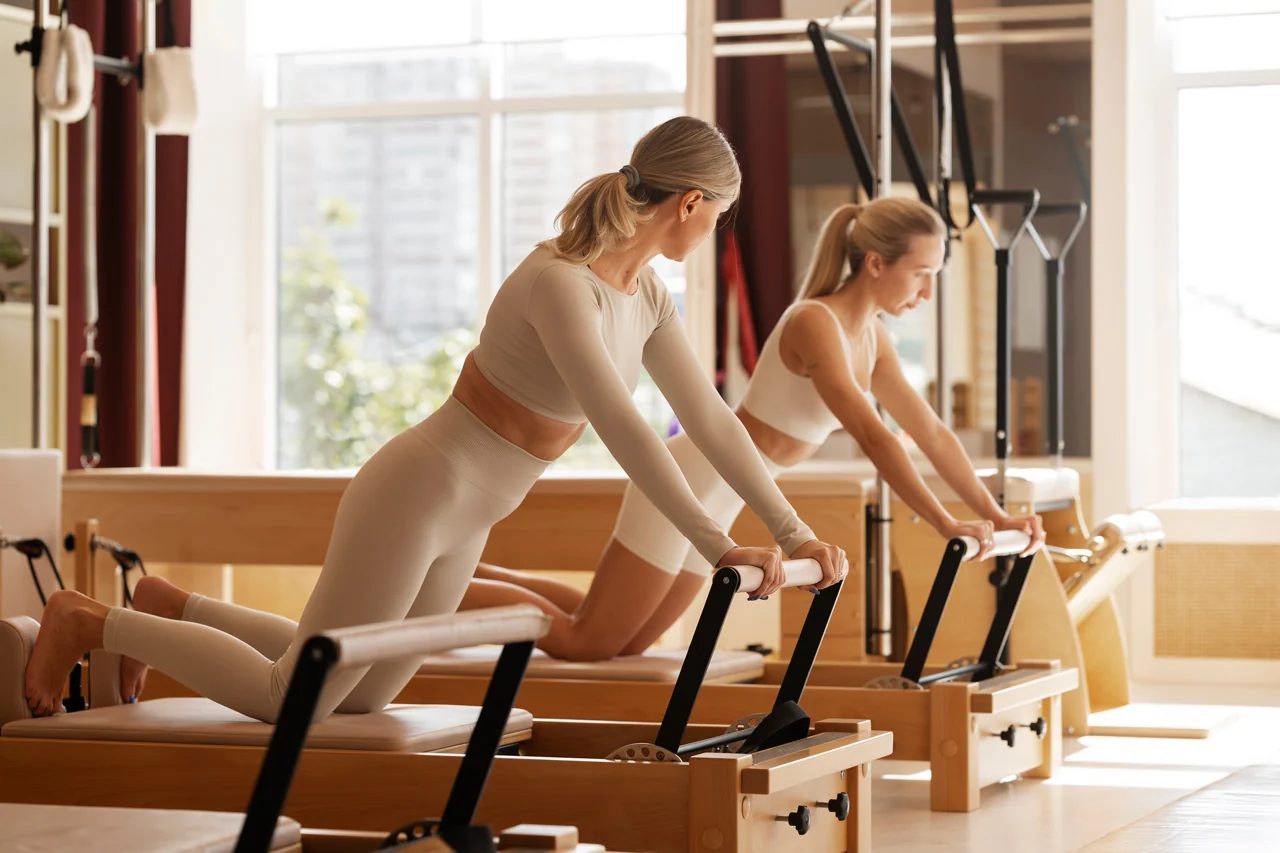
A reformer pilates machine offers a distinctive combination of resistance training, controlled movement, mobility work and balance development. Instead of using traditional weight stacks, the equipment relies on a moving carriage, springs, ropes and adjustable support points to create hundreds of possible exercises. This versatility is one reason reformer training has moved beyond specialist Pilates studios and into gyms and home workout spaces. A single reformer pilates machine can be used for lower-body strength, upper-body resistance, abdominal control, flexibility work and coordinated full-body movements without requiring a room full of separate equipment. Choosing a suitable machine, however, involves more than comparing appearance and price. Carriage movement, spring resistance, frame stability, adjustability, dimensions, accessories and replacement components can all influence the quality of the training experience.
Why Reformer Training Feels Different From Conventional Exercise
Traditional resistance machines usually guide the body through one predetermined path, whereas a reformer pilates machine allows both the body and carriage to move during an exercise. The user must create force while simultaneously controlling the equipment, so pushing too quickly can cause the carriage to accelerate while uneven pressure can make movement feel less smooth. Resistance is provided by springs connected to the carriage, and depending on the movement being performed, stronger springs can increase the muscular workload or provide additional support. Lighter resistance may sometimes make an exercise harder because the carriage becomes less stable. This relationship between resistance, balance and control gives reformer exercise a different character from simply lifting progressively heavier weights.
What Can You Train On A Reformer Pilates Machine?
One of the strongest advantages of a reformer pilates machine is its ability to train multiple physical qualities within the same session. The equipment can be adapted for strength-focused exercises, mobility sequences, balance work, core training and controlled conditioning. Because the machine supports many different body positions, users can move from lying exercises to kneeling, sitting and standing movements without changing equipment. This makes the reformer particularly useful for people who want a varied program rather than a machine designed around one isolated movement.
Lower-Body Strength
Footwork is one of the most recognisable reformer exercises, with the user lying on the carriage and pressing against the footbar to extend the legs against spring tension. Changing foot placement can alter which muscles receive greater emphasis, while resistance can be adjusted by adding or removing springs. Other lower-body exercises include bridging, lunges, scooter-style movements, standing work and exercises performed with the feet inside straps. These variations can challenge the quadriceps, hamstrings, calves, glutes and muscles surrounding the hips while requiring the pelvis and trunk to remain controlled throughout each repetition.
Upper-Body Resistance
The ropes and handles allow the springs to create resistance for the arms, shoulders and back, which means a reformer pilates machine can provide much more than lower-body training. Exercises may involve pulling, pressing, rotating or maintaining an arm position while another part of the body moves. Seated rowing movements, kneeling arm exercises, chest expansion and strap-based presses can all contribute to upper-body conditioning. Because many of these movements occur without a fixed backrest, the abdominal and postural muscles may also need to stabilise the torso while the arms work against resistance.
Core Stability
Core involvement is built into a large proportion of reformer exercises because the abdominal muscles often work to prevent unwanted movement while the arms or legs travel against resistance. Rather than relying exclusively on repeated crunch-style movements, the machine can challenge the trunk through planks, kneeling work, extended leg movements, rotational exercises and controlled carriage movement. A reformer pilates machine can make relatively small movements demanding because maintaining alignment becomes part of the exercise. The challenge is often not simply moving the carriage, but controlling the position of the pelvis, ribs and spine while doing so.
Mobility And Flexibility
Spring tension and straps can assist controlled movement through the shoulders and hips, creating opportunities to combine mobility work with muscular control rather than treating flexibility as a completely separate activity. For example, placing the feet inside straps allows the legs to move through different arcs while the carriage responds to spring tension. The user must coordinate hip movement while maintaining control through the pelvis and trunk. This combination can be useful for people who want flexibility training to remain active rather than entirely passive and may also help users become more aware of how their joints move through different ranges.
Understanding The Main Parts Of A Reformer Pilates Machine
Knowing what each component does makes it easier to compare different models because a reformer pilates machine may look relatively simple from a distance while containing important differences in construction and adjustment. The main elements usually include a sliding carriage, resistance springs, footbar, ropes, handles, shoulder rests and a headrest, while some models also include adjustable stoppers, elevated legs and additional platforms. The quality and design of these components affect how the machine feels during use, how easily it can be adjusted and how well it suits different body types.
The Carriage
The carriage is the padded moving platform where much of the exercise takes place, travelling along rails using wheels or rollers built into the frame. Smooth movement is important because jerking, sticking or excessive sideways motion can interfere with technique and make controlled repetitions more difficult. A quality reformer pilates machine should allow the carriage to travel consistently throughout its usable range. Carriage dimensions also matter, as taller users may benefit from additional travel distance while a wider platform may feel more comfortable for some body types. Padding should provide support without being so soft that it reduces stability during kneeling or standing exercises.
The Resistance Springs
Springs connect the carriage to the fixed end of the machine and allow the user to alter resistance according to the exercise being performed. Manufacturers frequently identify springs with different colours, but there is no universal colour standard across every brand, so buyers should check the actual resistance system rather than assuming matching colours provide matching tension. A useful reformer pilates machine should offer several resistance combinations so the user can make gradual adjustments between exercises. Replacement springs should also be readily available because springs are working components that may need to be replaced after extended use.
The Footbar
The footbar provides a stable surface for the hands or feet and is central to common exercises such as footwork, bridging, planks and various standing movements. Adjustability is valuable because different body proportions and exercises require different positions, and some machines allow both angle and horizontal adjustments. The footbar should lock securely and remain stable when pressure is applied. A loose or poorly designed locking mechanism can interfere with confidence and exercise technique, so buyers should pay attention to how the footbar is secured rather than considering appearance alone.
Ropes, Handles And Loops
The rope system connects the carriage resistance to the hands or feet, with handles generally used for upper-body work and larger loops supporting the feet during leg exercises. Ropes should remain even so resistance feels balanced from side to side, and some machines use simplified adjustment systems to make changing rope length faster. This can be particularly useful when several people share the same reformer pilates machine or when a workout involves frequent transitions between exercises. Handles and loops should also feel comfortable and secure because they are used repeatedly during many common reformer movements.
Shoulder Rests And Headrest
Shoulder rests help position the body on the carriage during lying exercises, while the headrest can support different neck and head positions. These components may appear minor, but their shape, spacing and adjustability can influence comfort and alignment. Some exercises require the headrest to remain flat, particularly when the pelvis is elevated, while others may be more comfortable with a raised position. Adjustable or removable shoulder rests can also make a reformer pilates machine more suitable for users with different body proportions.
Choosing A Reformer Pilates Machine For Home Use
Buying a reformer pilates machine for home involves balancing exercise quality with practical considerations such as space, storage, frequency of use and ease of access. A machine with excellent specifications may still be a poor choice if it dominates the available room or must be moved every time someone wants to exercise. Buyers should consider where the machine will remain, how frequently it will be used and whether more than one person will train on it. A suitable reformer pilates machine should provide smooth movement, stable construction and enough adjustability to suit the intended users and training environment.
Measuring The Available Room
The listed dimensions of a reformer pilates machine only describe the equipment itself, so additional clearance should be allowed around the frame. Users need space to stand beside the machine, extend the straps, perform side-facing movements and safely get on and off the carriage. The delivery route should also be measured, including doorways, hallways, staircases and sharp corners. A machine that fits comfortably in the final room may still be difficult to move through a narrow entrance, so package dimensions and assembly requirements should be checked before purchase.
Folding And Storage
A folding reformer pilates machine can be useful in apartments, shared rooms and multipurpose spaces where the equipment cannot remain permanently assembled. Some models fold through the centre, while others use collapsible legs or vertical storage systems. The storage process should be straightforward enough that it can realistically be repeated after workouts, because a machine that is difficult to move or fold may eventually become inconvenient to use. Vertical storage should only be used where the manufacturer specifically approves it, and any locking mechanism should securely hold the carriage and frame while the equipment is being stored.
User Height And Weight
Every reformer pilates machine has physical limits, so buyers should check the maximum recommended user weight and the amount of usable carriage travel. Taller users may require more distance between the shoulder rests and footbar, while some machines include adjustable carriage stoppers to accommodate different body proportions. A machine that is too short can limit leg extension and make certain exercises uncomfortable. Buyers should therefore compare dimensions and adjustment ranges rather than assuming all reformers will suit every user equally well.
Accessories That Expand Workout Variety
Accessories can significantly increase the number of exercises available on a reformer pilates machine, although not every accessory is essential for every user. Sitting boxes, jumpboards and platform extenders are among the most common additions, while smaller props such as Pilates rings, balls, poles and light weights can introduce further variations. Buyers should check which accessories are included with the machine and which need to be purchased separately because this can substantially affect the overall value of the package. Compatibility is also important because accessories designed for one brand or frame size may not fit another machine correctly.
Sitting Box
A sitting box can be positioned on the carriage in different orientations to support seated, side-lying, prone and kneeling exercises. It changes the user’s height relative to the straps and can provide a more stable surface for movements that would otherwise be difficult directly on the carriage. A box can be particularly useful for rowing exercises, side work and abdominal movements. The box should fit securely and be designed for the dimensions of the reformer pilates machine rather than relying on an improvised substitute.
Jumpboard
A jumpboard attaches near the foot end of the machine and provides a broad surface for pressing and controlled jumping movements. Because the user remains supported by the carriage, the body does not repeatedly land against a hard floor in the same way it would during conventional jumping exercises. Jumpboard training can increase lower-body workload and add a cardiovascular element to a reformer session. Appropriate spring resistance is important because the carriage should remain controlled throughout both the pushing and returning phases of the movement.
Platform Extender
A platform extender increases the stationary area near the front of the reformer pilates machine and can provide additional foot space during standing exercises. It may be useful for lunges, balance work and exercises where one foot remains on the fixed platform while the other travels with the carriage. The extender should match the frame dimensions and sit securely without movement. Although it is not essential for basic reformer exercise, it can significantly increase the range of standing movements available.
Home Models Versus Studio Equipment
Home and commercial reformers may look similar, but their construction priorities can differ substantially. A home reformer pilates machine may focus on portability, compact storage and affordability, while a commercial model is generally designed for repeated daily use by multiple clients. Studio machines may feature heavier frames, more durable upholstery, elevated working heights and faster adjustment systems. Home users who train frequently may still benefit from commercial-grade construction, while someone exercising occasionally may prefer a lighter machine that is easier to move and store. The most suitable choice depends on expected usage rather than whether the machine is labelled home or professional.
Building A Consistent Reformer Routine
Long-term results depend more on regular use than on buying the most expensive reformer pilates machine available. Beginners can start with fundamental exercises and gradually introduce more complex movements as their control and understanding improve. Professional instruction can help users learn spring settings, body positioning and safe carriage control, while structured online programs may provide additional guidance for home training. Progress can involve improved balance, smoother movement, greater mobility, better coordination and increased resistance rather than simply completing harder-looking exercises. Keeping the machine easily accessible can also make regular training more likely than storing it somewhere that requires extensive setup before each session.
Caring For A Reformer Pilates Machine
Regular maintenance helps preserve both performance and safety. The carriage rails should remain clean so dust, hair and debris do not interfere with wheel movement, while upholstery should be cleaned using products recommended by the manufacturer. Springs should be inspected for distortion, corrosion or changes in tension, and ropes should be checked for fraying or uneven wear. Clips, footbar locks and adjustment mechanisms should operate securely, while loose bolts or fittings should be tightened according to the manufacturer’s instructions. A reformer pilates machine used commercially may require more frequent inspection because of the greater number of sessions completed each day.
Frequently Asked Questions
What is a reformer pilates machine used for? A reformer pilates machine can be used for strength, mobility, flexibility, balance, core control and coordinated full-body exercise.
Is a reformer pilates machine suitable for beginners? Yes, beginners can use a reformer pilates machine when the resistance, exercises and movement range are selected appropriately.
How much room does a reformer require? The exact amount depends on the model, but users should allow additional space around the frame for straps, side exercises and safe access.
Can reformer Pilates build strength? Yes, spring resistance can challenge the legs, arms, shoulders, back and core through a wide variety of movements.
Is lighter spring resistance always easier? No, lighter resistance can sometimes make the carriage less stable and require greater balance and control.
Can a reformer pilates machine be folded away? Some models are designed for folding or upright storage, but buyers should only use storage methods approved by the manufacturer.
What accessories are most useful? Sitting boxes, jumpboards and platform extenders are among the most useful accessories because they substantially expand the range of exercises available.
Can tall people use a reformer pilates machine? Yes, but taller users should check carriage travel, stopper positions, rope length and the distance between the shoulder rests and footbar.
How often should springs be replaced? Replacement frequency depends on usage and manufacturer guidance, but springs should be inspected regularly for wear, corrosion or changes in resistance.
Does a reformer pilates machine provide low-impact exercise? Yes, most reformer exercises avoid repeated impact with the floor while still allowing users to perform challenging resistance and conditioning work.
Can more than one person share the same reformer? Yes, provided the reformer pilates machine has enough adjustment in the springs, ropes, footbar and carriage settings to suit each user.
What should buyers prioritise when comparing machines? Frame stability, carriage smoothness, spring range, user dimensions, adjustment options, warranty and replacement-part availability are among the most important factors to compare.
