

Introduction
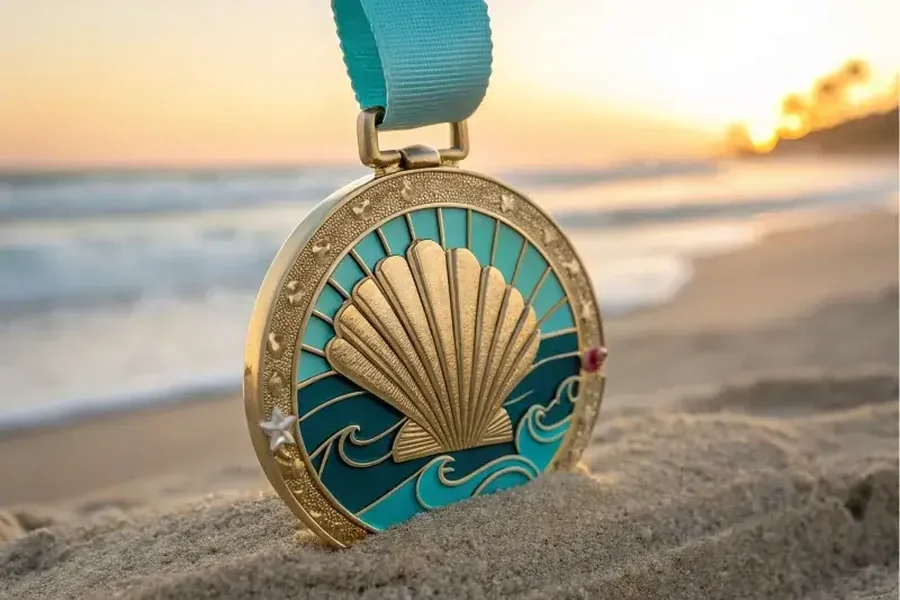
Whether you are organizing a corporate awards gala, a charity fun run, an academic competition, or a regional sports tournament, one detail consistently leaves a lasting impression: the medal. A well-designed custom medal does more than mark a finish line — it becomes a keepsake that participants display, share on social media, and associate with your brand for years to come.
Yet, for many event planners, sourcing custom medals is unfamiliar territory. What materials hold up best? What is the difference between soft enamel and die-cast? How far in advance should you order? This guide walks you through everything you need to know to make confident, informed decisions when ordering custom medals for your next event.
1. Why Custom Medals Matter More Than You Think
A generic, off-the-shelf medal tells your participants you cut corners. A custom-designed medal tells them their achievement matters. The difference in perceived value is enormous — and it directly affects:
- Brand recall: Every time a recipient sees their medal, they remember your event.
- Social proof: Unique, photogenic medals get shared on Instagram, Facebook, and LinkedIn, generating organic exposure for your event brand.
- Repeat participation: Runners, athletes, and award recipients often return to events that offer memorable hardware.
- Sponsor appeal: High-quality medals make sponsor logos look better, increasing sponsorship value and making it easier to secure future partners.
In short, the medal is not just an expense line — it is a marketing asset that continues working long after the event ends.
2. Understanding Medal Types: Die-Cast, Stamped, and Insert Medals
Not all custom medals are created equal. Here are the three most common manufacturing approaches and when to use each:
Die-Cast Medals (Zinc Alloy)
The industry standard for premium awards. Molten zinc alloy is injected into a precision mold under high pressure, capturing intricate details with a satisfying weight and depth. Die-cast medals offer the best combination of detail reproduction, durability, and perceived value. Ideal for marathons, corporate awards, and high-profile events where quality cannot be compromised.
Stamped Medals (Brass / Copper / Iron)
A metal blank is struck with a die under high pressure to imprint the design. Stamped medals are thinner, lighter, and more cost-effective, making them popular for participation medals, school sports days, and large-volume orders where budget is a primary concern. Brass and copper offer warmer tones; iron provides an affordable base that accepts plating well.
Insert Medals
A metal frame holds a printed insert — typically full-color UV-printed on paper or plastic. This style allows for vibrant, photographic-quality graphics without the expense of multiple enamel colors. Excellent for events that change themes annually, since only the insert needs to be redesigned while the metal frame can be reused.
3. Materials and Finishes: What to Specify
The base material and finish dramatically affect both appearance and cost. Below is a quick reference guide:
| Material | Best For | Characteristics | Cost Level |
| Zinc Alloy | Premium die-cast medals | Heavy, detailed, highly durable | $$$ |
| Brass | Stamped medals, classic look | Warm golden tone, ages gracefully | $$ |
| Iron | Budget-friendly stamped | Affordable, accepts plating well | $ |
| Copper | Vintage/antique aesthetic | Distinctive reddish tone, develops patina | $$$ |
Plating finishes — applied over the base metal — include gold, silver, nickel, bronze, and antique variations. Antique finishes, where darker tones settle into recessed areas, are particularly popular for highlighting intricate sculptural details.
Color application typically uses soft enamel (hand-filled, oven-cured, with a textured recessed finish) or hard enamel (polished flat, jewelry-like surface). Soft enamel allows for textured detail and is the most common choice for sports medals; hard enamel delivers a smooth, premium look suited to corporate and ceremonial awards.
4. What to Look for in a Manufacturer
When you are ready to source, here are the key factors to evaluate before placing an order:
Certifications
Look for manufacturers with recognized certifications such as TUV, BSCI, or Sedex. These demonstrate compliance with international quality, safety, and ethical production standards. If your organization has corporate social responsibility requirements, this is non-negotiable.
Design Support
A manufacturer that offers free in-house design service can turn your rough concept into production-ready artwork. This saves you the cost of hiring a separate designer and ensures the design is optimized for the manufacturing process from day one.
Production Capacity and Lead Times
A factory producing 30,000+ medals per week signals reliability and the ability to handle your order without delays. Standard lead times range from 2–6 weeks depending on complexity, with rush options available for tight deadlines. Always confirm turnaround before committing.
Minimum Order Quantity (MOQ)
Some factories require large minimums; others are flexible for smaller events. Clarify this early — if you are organizing a local 5K with 200 participants, you need a supplier who accommodates smaller runs without excessive per-unit premiums.
Sampling Policy
A physical sample lets you evaluate weight, finish, and color accuracy before committing to a full production run. Reputable manufacturers offer sample production as a standard part of the process.
If you are sourcing internationally, working directly with a factory instead of through multiple intermediaries can reduce costs by 20–30%. For example, a dedicated custom medals manufacturer like Badge Artisans offers end-to-end production — from CAD mold design and material selection through to plating, coloring, and quality inspection — all under one roof, with international certifications including TUV and Disney FAMA, plus free design support.
5. Design and Customization Tips
Start with your event identity.
Your medal should reflect the personality of your event. A sleek, minimalist design suits a corporate awards dinner; bold colors and dynamic shapes work for a charity color run. The medal is a physical extension of your brand — design it accordingly.
Prioritize legibility.
Event name, date, and category should be readable at arm’s length. Avoid overcrowding — a clean design with strategic negative space looks more professional than one crammed with text. Remember that fine details visible on a screen may not reproduce at actual medal size.
Consider dual-purpose designs.
A medal that doubles as a bottle opener or keychain sees far more use after the event, extending your brand exposure for months or years. This approach has become increasingly popular for charity events and corporate team-building programs.
Think about ribbon and presentation.
The ribbon color and attachment style (swivel clip, key ring, neck ribbon) complete the presentation. Presentation boxes or velvet pouches add perceived value for premium awards and make for better photo opportunities during award ceremonies.
Order with buffer time.
Build in 1–2 weeks of buffer beyond the quoted lead time. Shipping delays, customs clearance, and unforeseen revisions happen — plan for them. For events with fixed dates, there is no such thing as ordering too early.
6. Budget Planning
Custom medal pricing depends on material, size, complexity, color count, and quantity. Here is a general framework:
- Basic stamped medals: Most affordable per-unit cost, suitable for large-volume participation events and school sports.
- Mid-range die-cast with 2–4 enamel colors: The sweet spot for regional sports events, corporate awards, and charity races.
- Premium die-cast with multiple colors, antique plating, and custom packaging: Best for flagship annual events, executive recognition, and high-profile competitions.
Larger quantities almost always reduce the per-unit cost significantly. If you run multiple events annually, consider combining orders across events to reach higher volume tiers. Many manufacturers also offer favorable pricing for repeat clients.
Conclusion
Custom medals are one of the most cost-effective ways to elevate your event experience. They create lasting memories for participants, generate organic brand exposure, and signal professionalism to sponsors and stakeholders alike.
By understanding the materials, manufacturing processes, and supplier evaluation criteria outlined above, you will be well-equipped to source medals that reflect the quality of your event. When you are ready to bring your design to life, partner with a manufacturer that understands both the craft and the deadlines that event planning demands. With the right supplier, the process is smooth — and the result is something your participants will treasure long after the event is over.
