

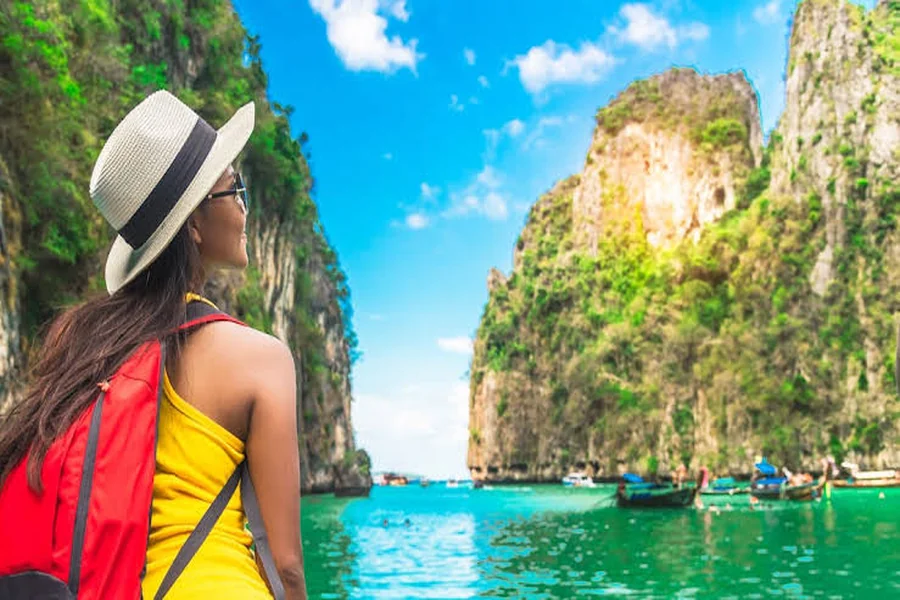
Planning an international trip usually starts with the big-ticket bookings. Flights are confirmed, hotels are reserved, and the rest of the trip starts taking shape. Then come the smaller expenses that rarely get the same attention. Local transport, meals, currency exchange, and unexpected costs can all affect how much you spend once you arrive. Planning your budget before you leave helps you decide what you can comfortably spend and where it makes sense to cut back. It is also a good time to think about whether travel insurance suits your trip.
How Can You Set a Budget Before You Travel Abroad?
A realistic budget starts with knowing where your money is likely to go. Begin with the expenses you already know, such as flights, accommodation, and visa fees. Then estimate what you are likely to spend each day on meals, local transport, shopping, and attraction tickets.
Checking local prices before you travel gives you a better idea of how much to set aside. It also helps to decide on a daily spending limit before your trip begins. If you are travelling to more than one country, a multi-currency forex card may help you manage exchange rates and reduce international transaction charges.
Which Travel Expenses Are Easy to Miss?
Some of the biggest surprises are often the smaller costs that do not receive much attention during planning. Currency conversion charges, baggage fees, airport transfers, mobile connectivity, tipping, and local taxes can all increase your overall spending. Individually, these expenses may seem minor, but together they can make a noticeable difference to your travel budget.
Leaving a small buffer for these overlooked costs can help you avoid dipping into money set aside for sightseeing, shopping, or other planned activities.
How Can You Keep Daily Spending Under Control?
Travelling on a budget does not mean saying no to the experiences that matter most. Small changes to how you spend each day can leave more room in your budget for the things you really want to do:
- Use public transport where it is safe and convenient instead of relying on taxis for every journey.
- Try neighbourhood cafes and local restaurants instead of dining only in busy tourist areas.
- Book museum and attraction tickets online if early booking discounts are available.
- Use hotel or public Wi-Fi for messaging and calls whenever possible to reduce roaming charges.
Keeping track of your spending every day, even through a simple budgeting app, can also help you spot when you are spending more than planned and adjust your budget before it gets out of hand.
Should You Set Aside an Emergency Travel Fund?
No matter how carefully you plan, not every expense can be predicted. A missed connection, an unexpected hotel stay, or additional transport costs can affect your budget while you are abroad.
Setting aside a small emergency fund before you travel gives you extra flexibility if your plans change unexpectedly. It also means you are less likely to rely on credit or reduce spending on the experiences you planned for.
Why Should Travel Insurance Be Part of Your Budget?
An emergency fund is one way to prepare for unexpected expenses. Another is including travel insurance in your overall travel budget instead of treating it as a last-minute purchase.
Depending on the policy you choose, overseas travel insurance may help cover eligible expenses arising from certain unexpected situations, such as medical emergencies, baggage loss, or travel delays, subject to the policy’s terms, conditions, inclusions, and exclusions.
Conclusion
A successful travel budget is not about spending as little as possible. It is about knowing where your money is likely to go and leaving enough room for the unexpected. Planning better, keeping everyday expenses in mind, and considering travel insurance as part of your overall travel costs can help you enjoy your trip with fewer financial surprises.
